Automotoplus Background
Moto

Can I Cancel Motorcycle Insurance in Winter? 2026 Guide

Can you cancel motorcycle insurance in winter in Switzerland? Learn rules, refunds, penalties, and smarter alternatives.

Automotoplus - Can I Cancel Motorcycle Insurance in Winter? 2026 Guide

Introduction

Yes — in most cases, you can cancel your motorcycle insurance in winter in Switzerland. But whether you should is a different question entirely.
Switzerland has strict rules around vehicle ownership, registration, and minimum liability coverage. Cancelling your motorcycle insurance without understanding these rules can leave you exposed to legal risk, unexpected fees, or a coverage gap that costs more to fix than the winter savings were worth.
In this guide, we break down exactly how motorcycle insurance cancellation works in Switzerland, what happens to your refund, whether penalties apply, and why pausing coverage is often the smarter move for seasonal riders.

How Swiss Riders Typically Handle Winter

Most motorcycles in Switzerland sit unused from November through March. Rather than paying full premiums for a bike that never leaves the garage, riders have three realistic options:
  • Pause or suspend the policy for the off-season
  • Cancel the policy entirely, often tied to deregistration
  • Downgrade to a minimal storage or parking coverage plan
Each option carries different legal requirements and financial outcomes.

Pausing vs. Suspending vs. Fully Cancelling

These three terms are often used interchangeably, but they mean different things in practice:
  • Pausing: A temporary halt, sometimes offered by insurers for seasonal vehicles. Coverage resumes automatically at a set date.
  • Suspending: You request an interruption in coverage, which may require returning your plates and deregistering the vehicle.
  • Cancelling: A full termination of the contract, which may trigger a notice period, fees, and the need to take out a new policy when riding season starts.

What Your Contract Says Matters Most

Swiss insurance contracts typically include fixed notice periods of one to three months before the policy renewal date. If you miss that window, you may be locked in for another full year unless a valid cancellation event occurs — such as a sale, deregistration, or relocation.
Always read your insurer's general terms and conditions (GTC) before assuming you can cancel freely.

What Happens if I Cancel Motorcycle Insurance Early?

Cancelling motorcycle insurance mid-term in Switzerland is possible, but it comes with consequences you should weigh carefully.

Do I Lose Coverage Immediately?

Yes. The moment a cancellation takes effect, your liability and damage protection end. This means:
  • You are no longer covered for third-party claims
  • Any damage to your bike (if you had comprehensive coverage) is your own responsibility
  • If your bike is still registered and on the road, you are riding illegally without mandatory liability insurance
This is why cancellation must always be coordinated with deregistration at your cantonal road traffic authority (Strassenverkehrsamt).

Will I Get a Refund for Unused Months?

This depends heavily on your contract. There are two main approaches:
  • Pro-rata refunds: Some insurers will refund the unused portion of your annual premium, calculated to the day. If you paid for 12 months and cancel after 8, you receive a refund for the remaining 4.
  • Fixed-term contracts: Other policies are structured as a fixed-term agreement, meaning no refund is issued for early termination regardless of how many months remain.
In both cases, insurers typically deduct an administrative processing fee — usually between CHF 20 and CHF 50 — from any refund amount.
Always ask your insurer directly: "If I cancel today, what is my refund?" Get the answer in writing.

Are There Penalties for Early Cancellation?

Sometimes, yes. Swiss insurers may charge early termination fees if you cancel outside the standard notice window without an accepted reason. However, there are conditions where penalties are waived:
  • Sale of the motorcycle: Providing proof of sale typically allows immediate cancellation without penalty
  • Deregistration: Returning your plates to the cantonal authority is accepted as a valid cancellation trigger
  • Relocation abroad: Moving out of Switzerland permanently is a qualifying event
  • Premium increase: If your insurer raises your premium, you have a statutory right to cancel within 30 days
Always document your reason with supporting evidence. A simple written letter with proof of sale or a deregistration confirmation is usually sufficient.

Step-by-Step Guide to Cancel Motorcycle Insurance

Follow these five steps to cancel your motorcycle insurance cleanly and avoid legal or financial gaps.

Step 1: Check your contract notice period and renewal date

Find your policy documents and note the contract anniversary date and the required notice period — typically one to three months in advance. Missing this window means your policy auto-renews.

Step 2: Confirm your cancellation eligibility

Ask yourself: Are you selling the bike, deregistering it for winter, or fully ending ownership? The answer changes which cancellation path applies to you.

Step 3: Submit a written cancellation request

Most Swiss insurers require written notice — either by email or their official cancellation form. Include your policy number, full name, and the intended cancellation date. Keep a copy.

Step 4: Return plates or update vehicle registration if needed

If you are fully cancelling (not just suspending), you must return your licence plates to the cantonal Strassenverkehrsamt. The plates confirm your bike is no longer active on Swiss roads. Some cantons offer seasonal plates, which simplify re-registration in spring.

Step 5: Request written confirmation and refund calculation

Once your insurer processes the cancellation, ask for a written confirmation and a clear breakdown of any refund owed and fees deducted. Do not assume the process is complete without documentation.

Can I Pause Motorcycle Insurance Instead of Cancelling?

For most Swiss riders storing their bike in winter, pausing insurance is a smarter alternative to full cancellation — and many insurers offer exactly this.

Seasonal Suspension Options in Switzerland

Several Swiss insurers (including AXA, Zurich, and Helvetia) offer seasonal or temporary suspension of motorcycle policies. The process typically involves:
  • Returning your registration plates to the cantonal authority
  • Notifying your insurer of the suspension dates
  • Paying a reduced storage-period premium (or nothing, depending on the insurer)
Your policy remains intact and resumes coverage when the season starts — no new application, no fresh medical history review, no gap in your insurance record.

How Parking Insurance Works for Stored Motorcycles

Even with your bike parked in a garage all winter, risks remain. Theft, fire, water damage, and rodent damage can all happen during storage. Many Swiss insurers offer a "parking coverage" or "storage coverage" add-on — a low-cost option that protects your bike while it is off the road.
The cost is usually a fraction of your full premium and keeps your comprehensive coverage active without paying for liability you do not need while the bike is deregistered.

The Benefits of Keeping Minimal Coverage during Winter

  • Avoids the cost and paperwork of a new policy in the spring
  • Maintains your no-claims bonus history
  • Covers storage risks: theft, fire, storm, and more
  • Ensures you are immediately covered if you ride unexpectedly on a mild winter day

Swiss Rules for Motorcycle Insurance Cancellation

Switzerland's legal framework makes motorcycle insurance cancellation more structured than in many other countries. Here is what you need to know.

The Legal Framework for Motor Vehicle Insurance in Switzerland

Under the Federal Act on Compulsory Insurance for Motor Vehicles (VVG / LCA), every registered motor vehicle in Switzerland must carry a mandatory third-party liability policy. If you own a registered motorcycle, you are legally required to insure it, regardless of whether you ride it or not.
The only exception is when the vehicle is formally deregistered. Once plates are returned and deregistration is confirmed, the mandatory insurance requirement ends.

Coordination with Vehicle Registration

Cancelling insurance in Switzerland is almost always linked to plate status:
  • Deregistered bike: Cancellation is legally valid and straightforward
  • Registered bike: You cannot legally cancel liability insurance without also deregistering the vehicle
Some cantons offer seasonal registration, which allows you to register a vehicle for only part of the year — typically April through October. During the off-season months, the bike is officially deregistered, and insurance can be suspended without penalty.

Differences between Cantons and Insurers

Swiss federal law sets the general framework, but the practical rules can still vary depending on the canton and the insurer.
At the cantonal level, differences often appear in how vehicle plates are handled. Some cantons make it simple to return and later reactivate plates for seasonal use, while others follow a more rigid administrative process. Fees for deregistration and re-registration can also vary, which directly affects whether pausing a motorcycle is financially worthwhile. In addition, not every canton supports seasonal registration in the same way, so availability and conditions may differ.
Insurance companies add another layer of variation. Some insurers offer flexible contracts that allow mid-term changes, such as adjusting coverage or temporarily suspending a policy. Others operate on stricter annual terms with limited room for adjustments before renewal. Because of this, two riders with identical profiles can end up with very different levels of flexibility and cost control.
This is why reviewing contract details carefully is essential. In many cases, working with a broker, such as AutoMotoplus, which is familiar with the Swiss insurance market. They will help you avoid hidden restrictions and choose a policy structure that actually fits seasonal riding habits.

The Best Time to Cancel Motorcycle Insurance

Timing your cancellation correctly can make the difference between a smooth exit and unnecessary extra costs.

When You Reach the End of the Policy Term

The most straightforward and cost-efficient moment to cancel is at the end of your policy term, when your annual contract naturally expires. At this point:
  • No early termination fees apply
  • Notice periods are clearly defined in your contract
  • You have time to compare alternative policies before committing
If you are thinking of mid-term cancellation, it is still possible, but it is more restrictive. It usually requires a valid reason, such as selling the motorcycle or officially deregistering it. Otherwise, insurers may apply cancellation fees or limit refunds depending on contract terms.

When You are in the Winter Period

Winter is the key decision period for most riders in Switzerland.
If your policy renews on January 1, cancellation deadlines typically fall earlier:
  • Around October 1 for a 90-day notice period
  • Around November 1 for a 60-day notice period
Missing these deadlines usually means the policy automatically renews for another full year.
For calendar-year contracts, the most important action window is October and November. Planning early avoids being locked into another cycle of premiums.

When You’re Selling, Deregistering, or Replacing Your Motorcycle

Certain life events allow you to end or adjust your insurance outside the normal schedule:
  • Selling the motorcycle: Submitting the signed transfer document to your insurer
  • Deregistering the vehicle: Confirming your cantonal authority
  • Replacing the bike: Transferring your policy to the new vehicle, depending on insurer approval
In many cases, switching coverage is simpler than fully cancelling—always check before making a final decision.

How to Avoid Automatic Renewal Traps

Most motorcycle insurance contracts in Switzerland renew automatically if no action is taken. This means silence equals another 12-month commitment.
To avoid this:
  • Set a reminder in August or September
  • Review your current coverage and pricing early
  • Confirm cancellation deadlines in your contract before the notice period closes
A simple calendar alert can prevent unnecessary renewal and keep your insurance aligned with your actual riding habits.

Common Mistakes to Avoid When Cancelling

Even experienced riders make these errors. Knowing them in advance saves time, money, and legal headaches.

Cancelling without Checking the Notice Period

The most common mistake. You assume you can cancel at any time, miss the deadline, and are charged for a full additional year. Always verify your notice period first.

Forgetting Legal Liability Coverage Requirements

Cancelling your policy while the bike remains registered is illegal in Switzerland. If you are stopped or involved in an accident during this period, the financial and legal consequences are severe.

Not Aligning Cancellation with Registration Status

Your insurance cancellation date must match or follow your deregistration date — not precede it. If you cancel insurance before returning your plates, there is a legal gap.

Overlooking Refund Conditions and Fees

Not every insurer calculates refunds the same way. Some charge administrative fees that eat into your refund significantly. Ask before you cancel, not after.

What AutoMotoPlus Can Help You?

AutoMotoPlus works with Swiss riders every day to find smarter, more cost-effective motorcycle insurance solutions, especially around seasonal transitions. Here is how we can help:

1. Suggest Smarter Alternatives to Full Cancellation

Before you cancel, we review your current contract and identify whether a suspension, seasonal plan, or coverage downgrade makes more financial sense for your situation.

2. Advise on Seasonal Insurance Adjustment

Rather than cancelling and reapplying each year, many riders benefit from a seasonal adjustment plan — lower premiums during off-season months, full coverage when riding season starts. We help you set this up correctly.

3. Help you choose affordable coverage from day one

If you are taking out a new policy, we compare options across leading Swiss insurers to find coverage that fits your budget and riding habits — without the hidden clauses.

4. Switch to a Lower-Cost Winter Policy Option

For riders who still want year-round protection, but at a reduced cost during winter, we help identify more flexible insurance structures.
Depending on your canton and insurer, this may include:
  • Reduced winter premiums
  • Storage-friendly coverage options
  • More flexible annual contracts
AutoMotoPlus focuses on solutions that keep you covered without locking you into unnecessary expenses.
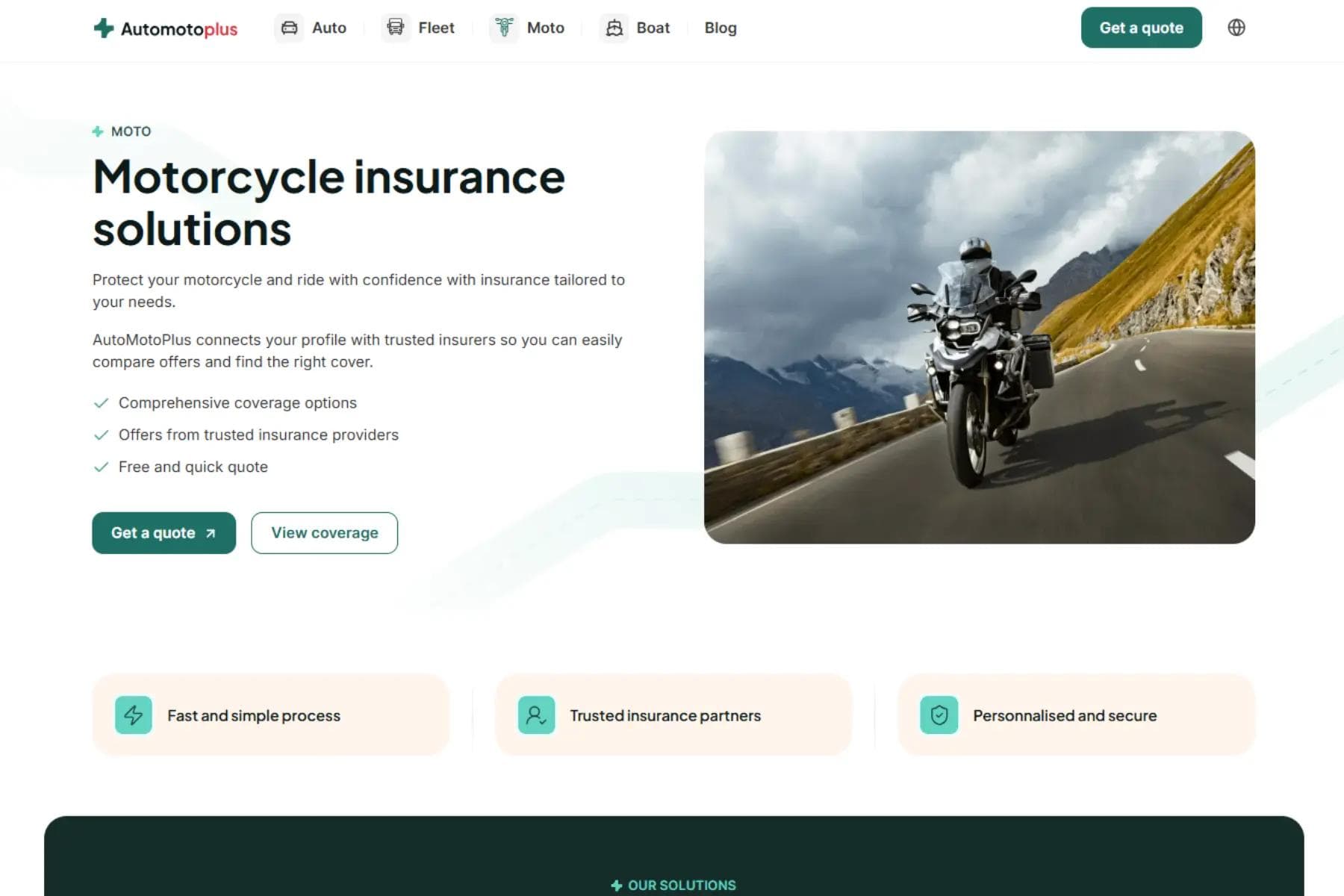
AutoMotoplus's dashboard showing its motorcycle insurance solutions

AutoMotoplus's dashboard showing its motorcycle insurance solutions

Automotoplus Background
Choose The Right Motorcycle Insurance Coverage

Explore motorcycle insurance options in Switzerland and compare flexible winter solutions to avoid unnecessary costs and legal gaps.

FAQ

Yes, in most cases. If your contract allows pro-rata refunds, you will receive a payment for the unused portion of your premium, minus any administrative fees. Fixed-term contracts may not offer refunds, so always check your policy terms before cancelling.

Coverage stops immediately when the cancellation takes effect. You lose liability protection and damage coverage. If your bike is still registered, you are legally required to maintain at least third-party liability insurance — cancelling without deregistering is illegal under Swiss law.

Sometimes. If you cancel mid-contract without a qualifying event — such as a sale, deregistration, or premium increase — your insurer may charge an early termination fee. Penalties are typically waived when you provide valid documentation for the cancellation reason.

You may reduce your costs, but only if the cancellation aligns with Swiss contract terms and you properly deregister the vehicle. Without deregistration, cancellation is not legally valid. For most riders, a seasonal suspension is safer and easier than full cancellation.


Conclusion

For most Swiss motorcycle owners, pausing is safer than cancelling — especially in winter.
Full cancellation makes sense when you are selling your bike, moving abroad, or permanently stopping riding. In every other situation, the administrative hassle, potential penalties, and risk of coverage gaps make it a less appealing option than a seasonal suspension or storage plan.
Before making any decision, review:
  • Your contract's notice period and renewal date
  • Whether your insurer offers seasonal suspension
  • The cost of a storage or parking coverage plan vs. your full winter premium
  • Your canton's process for plate deregistration and re-registration
The smartest move is to understand your options fully before acting. A few minutes of review now can save you a significant sum — and a lot of stress — when riding season rolls back around.
Author image

AutoMotoplus

Can I Cancel Motorcycle Insurance in Winter? 2026 Guide