Automotoplus Background
Voitour

Driving in Switzerland: Rules, Fines, Dos & Don’ts in 2027

Driving in Switzerland in 2027? Learn the key rules, fines, licence requirements, motorway laws, and essential dos and don’ts.

Automotoplus - Driving in Switzerland: Rules, Fines, Dos & Don’ts in 2027

Introduction

Driving in Switzerland is straightforward, but road laws are strictly enforced. Follow posted limits, use daytime lights, carry the right documents, and buy a vignette for designated motorways.
Foreign drivers must check their license and insurance. Alpine roads and strict penalties can make mistakes expensive. Is driving in Switzerland a good idea? Usually, yes, especially for rural travel. This guide from the AutoMotoPlus Blog covers the rules, fines, documents and insurance risks for 2027.

The Main Driving Rules in Switzerland

Swiss Speed Limits

The general limits for cars and motorcycles are:
Residential zones

General speed limit

20 or 30 km/h

Built-up areas

General speed limit

50 km/h

Roads outside built-up areas

General speed limit

80 km/h

Expressways

General speed limit

100 km/h

Motorways

General speed limit

120 km/h

Swiss speed limits

Posted, temporary and electronic limits always take priority. Slow down further when weather, traffic or visibility makes the signed speed unsafe.

Right-of-Way Rules

Drive on the right and normally overtake on the left. At unsigned junctions, traffic from the right has priority. Yield at marked pedestrian crossings and watch for cyclists and trams. On narrow mountain roads, vehicle size, direction and the nearest passing place may determine who moves back. Give buses and heavy vehicles room.

Lights, Seat Belts and Child Seats

Use daytime running lights or dipped headlights during the day. Dipped lights are required in tunnels and poor visibility. Seat belts are compulsory. Children under 12 and shorter than 150 cm need an approved restraint. Never place a rear-facing seat before an active passenger airbag.

Swiss Drink-Driving Limits

The general blood-alcohol limit is 0.05%. A 0.01% limit applies to learner, probationary and professional drivers, instructors and people accompanying learners. The official Swiss drink-driving guidance recommends avoiding alcohol before driving.

Mobile Phone Rules

Holding or operating a phone is prohibited. Even hands-free use can become an offence if it prevents full vehicle control. Set navigation before moving.

Swiss Motorway Rules

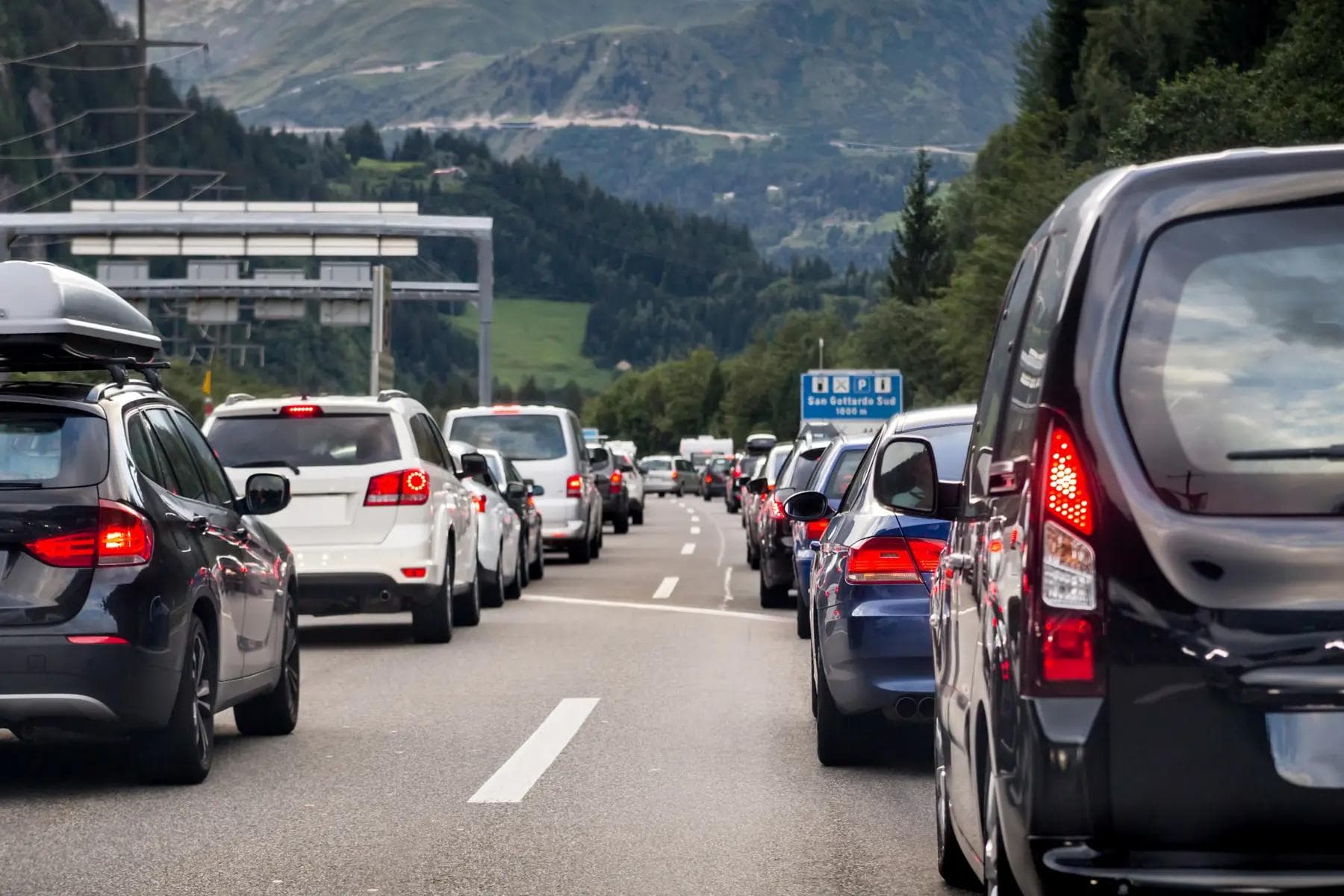
Keep right unless overtaking. At lane closures, use both lanes to the merge point, then merge in turn. In congestion, form an emergency corridor between the far-left lane and the next lane. Never reverse, turn around or stop. The hard shoulder is for emergencies only, and variable signs are binding.

Winter and Mountain Driving Rules

1. Winter Tyre Rules

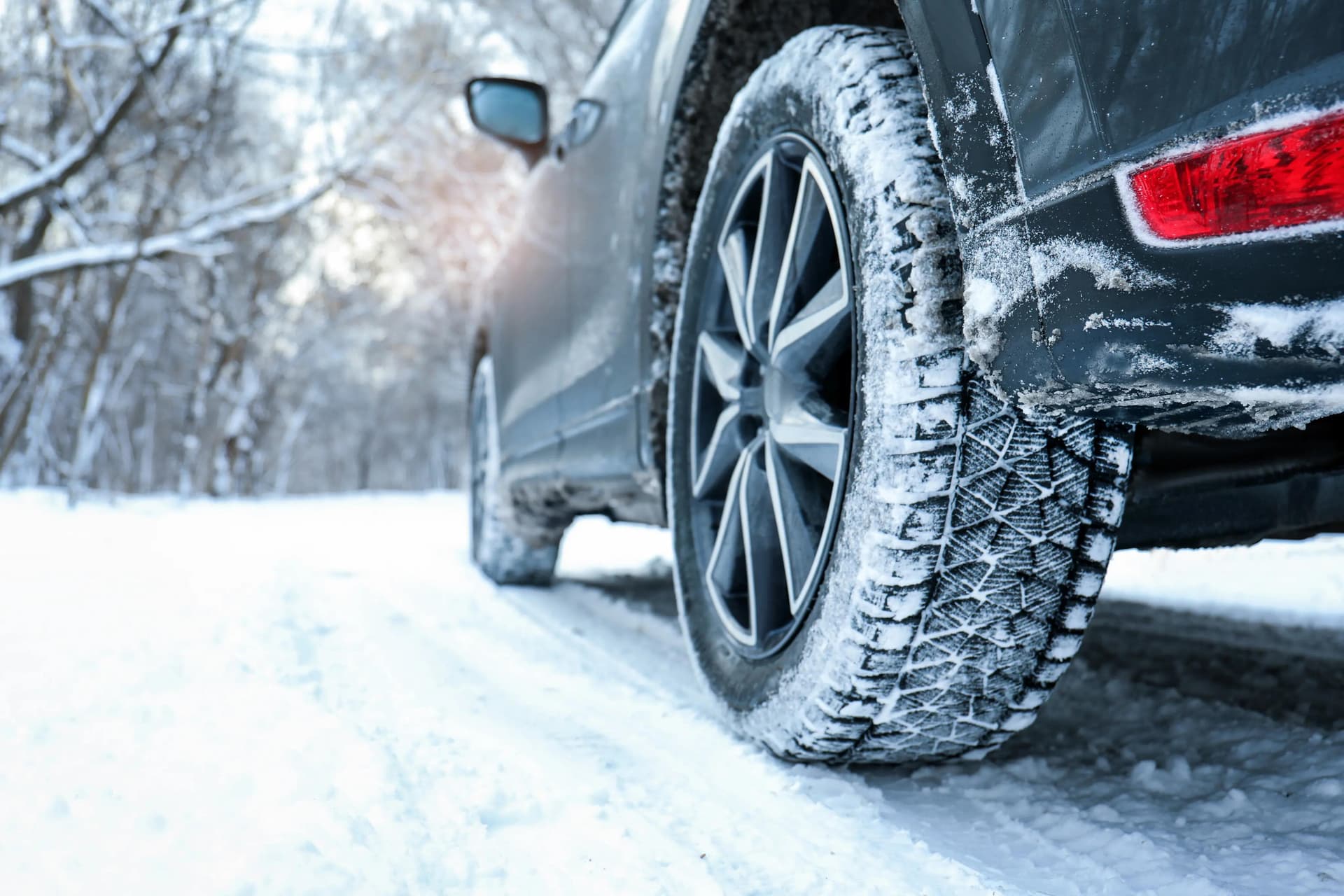
Switzerland has no fixed legal season for winter tyres, but drivers must retain control in all conditions. Unsuitable tyres can lead to liability if they contribute to an accident or a blocked road. An insurer may also reduce payment or seek recovery for negligence.
Official Swiss winter tyre guidance recommends winter tyres from October to Easter.
Winter tyre

Winter tyre

2. Snow Chain Requirements

Snow chains are compulsory when a blue sign shows a chained tyre. Fit them to the driven wheels unless the manufacturer says otherwise. Rental cars may not include them, and passes can close despite suitable equipment.

3. Safe Driving on Mountain Roads

Slow before bends and use a lower gear on long descents. Leave room for large vehicles and never stop on a blind corner. Check closures, weather, fuel and EV range before remote journeys.

Dos and Don’ts for Driving in Switzerland

What You Should Do

  • Check traffic, weather and mountain passes.
  • Follow the posted limit, even when others go faster.
  • Increase braking distance in rain, snow and fog.
  • Use lower gears on long descents.
  • Carry suitable winter equipment.
  • Allow extra time around major cities.
  • Buy the vignette before entering a relevant motorway.
  • Confirm insurance for Switzerland and border crossings.
  • Keep emergency and insurer details accessible.

What You Should Not Do

  • Do not assume the vignette covers every tunnel or private Alpine route.
  • Do not hold or operate a phone while driving.
  • Do not rely only on GPS for speed limits.
  • Do not park in private, resident-only or otherwise restricted spaces.
  • Do not block trams, cycle lanes or emergency access.
  • Do not enter mountain areas without checking closures.
  • Do not leave the engine running unnecessarily while parked.
  • Do not treat summer tyres as safe in snow.

Driving Fines and Penalties in Switzerland

Fines depend on the road, the excess speed and the circumstances. These figures apply after measurement tolerance is deducted.

Speeding Fines and Licence Bans

1–5 km/h

Built-up area

CHF 40

Outside built-up areas

CHF 40

Motorway

CHF 20

6–10 km/h

Built-up area

CHF 120

Outside built-up areas

CHF 100

Motorway

CHF 60

11–15 km/h

Built-up area

CHF 250

Outside built-up areas

CHF 160

Motorway

CHF 120

16–20 km/h

Built-up area

Ordinary proceedings

Outside built-up areas

CHF 240

Motorway

CHF 180

21–25 km/h

Built-up area

Ordinary proceedings

Outside built-up areas

Ordinary proceedings

Motorway

CHF 260

Over 25 km/h

Built-up area

Ordinary proceedings

Outside built-up areas

Ordinary proceedings

Motorway

Ordinary proceedings

Speeding fines and license bans

Beyond the fixed-fine system, authorities or a court decide the penalty. Serious cases can bring a warning, licence ban, income-based penalty or criminal charge. Foreign motorists can also be banned from driving in Switzerland.

Common Traffic Fines

Using a motorway without a vignette costs CHF 200, plus the CHF 40 vignette. Fixed penalties also cover phone use, missing seat belts, unsecured children and red lights. Parking and snow-chain penalties depend on the offence.

Serious Offences and Criminal Penalties

A fixed fine handles a minor offence. More serious conduct enters ordinary proceedings and may trigger licence action. Extreme speeding, repeat drink-driving or major danger can lead to a long ban, income-based penalty, imprisonment and, exceptionally, vehicle confiscation.

What Do I Need When Driving in Switzerland?

Documents You Should Carry

Carry a valid licence, identity document, vehicle registration and insurance details. Rental drivers also need the rental agreement. Foreign vehicles may need cross-border insurance evidence.
If the licence does not show categories clearly in Latin characters, carry an International Driving Permit or official English, French, German or Italian translation. It does not replace the original.

Equipment You Need in the Car

Keep a warning triangle within easy reach. The car needs working lights and seat belts. Bring any required child seat, plus tyres and chains suited to the route.

Do You Need a Swiss Motorway Vignette?

Yes, on designated motorways and expressways. The sticker and e-vignette cost CHF 40, with no short-term option. The 2027 vignette runs from 1 December 2026 to 31 January 2028. A trailer needs its own. Check the official Swiss motorway vignette information.

What Insurance Do You Need in Switzerland?

Mandatory Third-Party Liability Insurance

Third-party liability is compulsory for Swiss-registered cars before plates are issued. It pays for injury or damage you cause to others, not your own car. Learn more about how car insurance works in Switzerland.

Partial Casco and Full Casco Cover

Partial casco may cover theft, fire, glass and natural hazards. Full casco adds collision damage to your car, subject to deductibles and exclusions. Compare terms, not only premiums.

Can Breaking a Rule Affect an Insurance Claim?

Yes. A third party may still be paid, but the insurer can seek recovery after gross negligence. Casco payments may also fall. Speeding, alcohol, phone use and unsuitable tyres can affect claims. Rental and foreign drivers should check deductibles, authorised drivers and territorial limits.
Automotoplus Background
Compare Car Insurance Before You Drive

Compare personalized offers from trusted Swiss insurers with AutoMotoPlus.

What Should You Do After an Accident?

At the Accident Scene

  1. Stop and secure the area.
  2. Check for injuries and offer help.
  3. Call police on 117 or medical help on 144 when needed.
  4. Exchange registration and insurance details.
  5. Photograph the vehicles and road conditions.
  6. Complete an accident statement if possible.
  7. Record facts without admitting legal liability.

Reporting the Accident

Notify your insurer promptly and keep photographs, witness details and police records. Follow its instructions before repairs. Official Swiss travel information lists roadside assistance on 140.

Can Foreigners Drive in Switzerland?

Yes. Foreigners may drive with a valid national licence for the correct category. An International Driving Permit is accepted with the national licence. If the original is unclear or lacks Latin characters, bring an official translation.

Driving in Switzerland as a Tourist

Tourists should carry their licence, ID, rental papers and insurance details. You must be at least 18 to drive, but rental firms may set a higher age or fee. For borrowed vehicles, check the owner’s policy and our guide to insuring a car that is not in your name.

Driving After Moving to Switzerland

Residents may generally use a foreign licence for 12 months. Testing depends on the issuing country, while professional drivers may face earlier rules. See the official guidance on driving in Switzerland on a foreign licence.

FAQ

Yes, for flexible access to Alpine villages and rural areas. Between major cities, Switzerland’s rail network is often easier.

Not usually. Roads are well maintained. The main challenges are strict enforcement, busy cities, mountain routes and winter conditions.

Yes, with a valid foreign licence. You may also need an International Driving Permit or translation. Rental rules can be stricter.

Yes. Fixed and mobile controls are common, and fines start at low excess speeds after measurement tolerance. Follow current signs.

No. It applies only to designated motorways and expressways. Some tunnels and Alpine routes charge separately.

Drive Safely and Stay Properly Insured

Driving in Switzerland is manageable when you understand the rules. Follow limits, carry the right documents, and treat winter roads with care. This helps prevent fines, accidents, and insurance disputes. Before driving or registering a car, compare car insurance solutions in Switzerland that fit your vehicle and experience.
Author image

AutoMotoplus

Driving in Switzerland: Rules, Fines, Dos & Don’ts in 2027